

Most contractors think pricing is about picking the right number. You sit down with a spreadsheet, work out your costs, add a margin you can live with, and call it done. The number looks clean on paper.
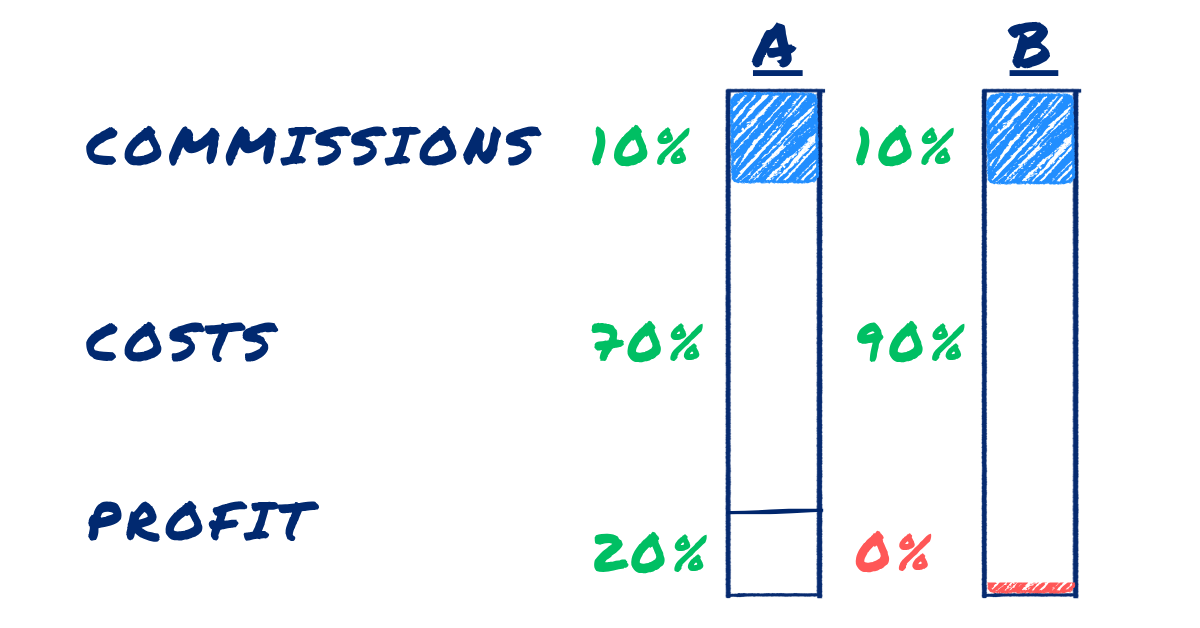
Then the in-home appointment happens. The homeowner asks if you can do better. The rep wants to close. The number you spent weeks figuring out drops by a few thousand dollars in three seconds. Multiply that across a year of appointments and a real chunk of your profit walks out the door.
We see this all the time.
Pricing is two jobs, not one. The first job is figuring out what to charge. The second job is actually getting paid that amount when the contract gets signed. Most replacement businesses do the first job okay (just okay) and the second job badly. Then they wonder why margins keep slipping.
Setting the Price
The first job is the easier of the two. You look at three things.
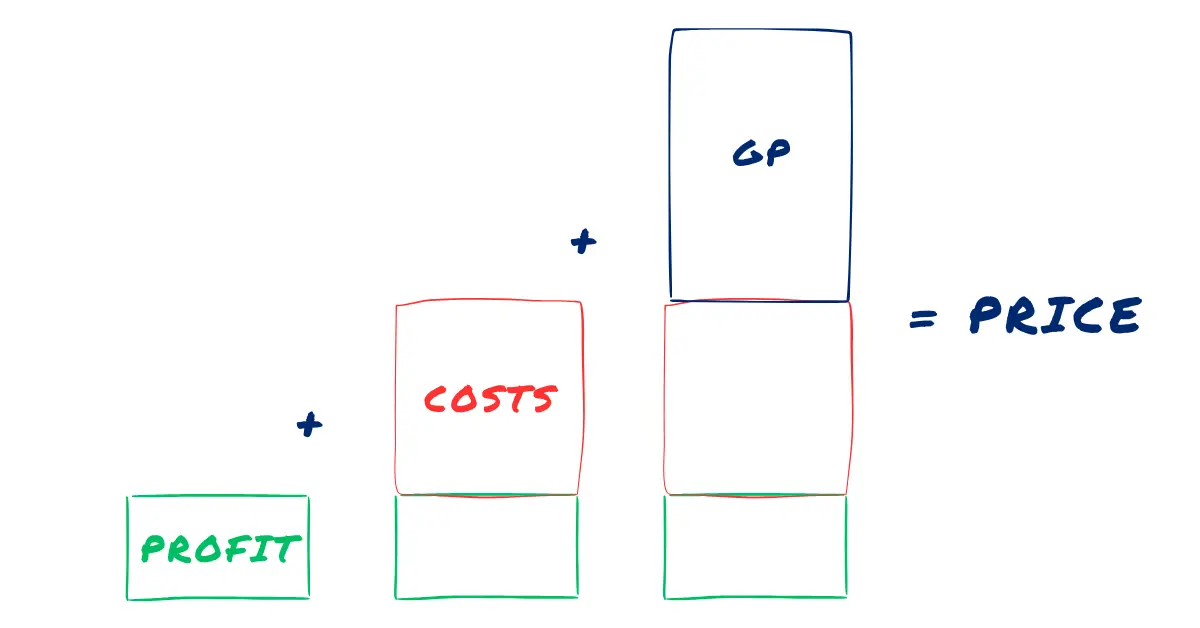
What does it cost you to do the work well. Materials, labor, install, warranty, overhead, the cost of the lead itself. If your price doesn’t cover those costs plus a real profit, nothing else matters.
What is the job worth to the family. A new roof or new window project isn’t just shingles or the glazing. It’s the peace of mind that the house won’t leak, the curb appeal, the resale value, the energy savings. The price has to reflect what the homeowner actually gets, not just what you spend.
What rules sit around the price. What’s included. What costs extra. When do you collect the deposit. These small rules are where most profit quietly leaks. A company without clear rules makes a new decision on every deal, and most of those decisions favor the homeowner.
Holding the Price
The harder job is keeping the price once you’ve set it. This is where most home replacement businesses lose real money.
The rep is in the kitchen. The homeowner says “we have another quote that’s lower.” The rep wants the sale. Dropping a thousand dollars feels small in the moment. Doing that on every deal for a year is not small.
Discounting is a habit, like any other. It feels good in the moment because it removes friction. It hurts later because it trains your customers to expect discounts and trains your reps to lead with price cuts instead of value.
The fix is a few simple rules everyone follows.
Lead with value, not the number. The rep should never quote a price until the family has agreed on what they actually want and why. If the price comes out before the value is clear, the conversation turns into a haggle.
If the price moves, something else moves too. “Can you do better?” should never get a yes.
Make discounts harder than holding the line. If a rep wants to drop below a set target, they have to feel it in their wallet. When discounts cost money, they slow down. When they are free to the rep, they multiply.
Track what actually gets paid. Most owners track the quoted price. The number that matters is the price the contract actually closed at. If the gap between quoted and closed is widening, something is wrong with how your team is selling, not with the market.
Discounting Is a Habit
Think of price holding like any other behavior change. People do what gets rewarded.
If a rep gets a high five for closing a job at full margin, you’ll see more full margin closes. If the only thing that gets celebrated is the close itself, no matter what was given away to get there, you’ll see more discounts.
Make pricing performance visible. Show realized price by rep, not just close rate. Coach the moments before the discount, not just the discount itself. Most pricing problems start two minutes earlier, when the rep skipped a discovery question or failed to handle an objection cleanly.
Price Is Also Your Story
Every price you accept tells the market what you are. A company that always discounts teaches homeowners that the first number was never real. A company that holds its price with calm confidence teaches homeowners that the work is worth it.
That doesn’t mean you never adjust. It means every adjustment has a reason and a trade behind it. Concessions become a tool, not a reflex.
Where to Start
Pick one thing on each side this week. On the pricing side, write down what’s included and what costs extra so every rep is quoting the same way. On the holding side, set a floor price below which no rep can go without a manager signing off. Then watch what changes over the next month.
Pricing gets stronger when you treat it as a practice, not a one-time project. The companies that do this well aren’t smarter or luckier. They just stopped letting their margin walk out the door deal by deal.