

Let me tell you something most business owners don’t want to hear. The number you’ve been bragging about isn’t real.
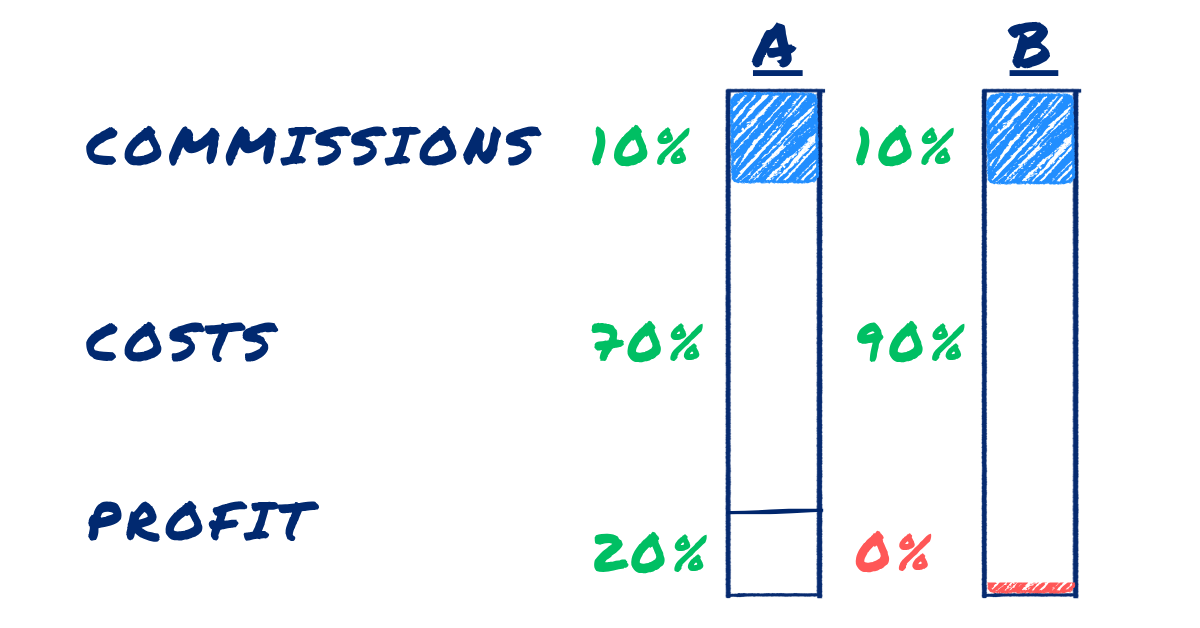
You quote your gross margin like it’s gospel. “We run a 50 percent margin.” You say it to your accountant. You say it to your spouse. You probably say it to yourself at three in the morning when you’re trying to feel better about the bills. But there’s a line item you’ve been pretending isn’t there, and it’s eating your profit alive. That line item is the money you pay people to bring in the sale. Commissions. Spiffs. Bonuses tied to revenue. Whatever you call it, it comes out of the same place your profit was supposed to come from.
Here is the hard truth: gross margin is not your real margin. Your real margin is gross margin minus commissions. And until you start running your business on that second number, you’re flying blind and calling it confidence.
The Number That Lies to You
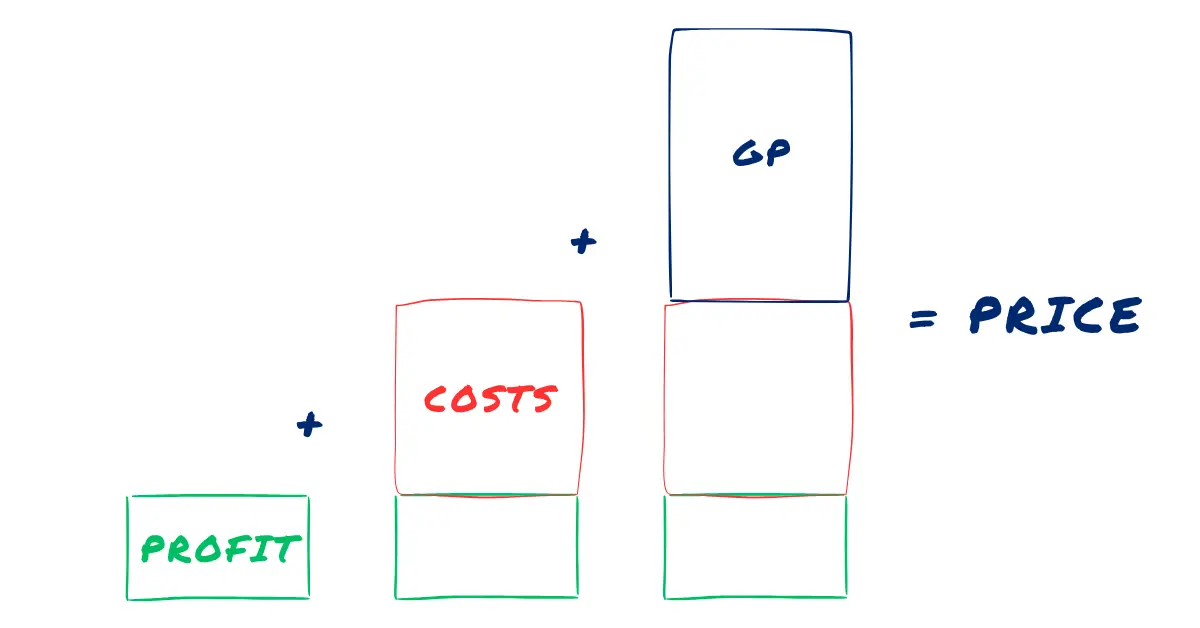
Gross margin is simple enough. You take what you sold something for, you subtract what it cost you to deliver it, and what’s left is your gross profit. You sell a window for $1,000 and it costs you $400 all-in to install it, so the gross profit is $600, or 60 percent. Clean. Easy. The kind of math you can do on a napkin.
The problem is what happens next. To get that customer, you paid somebody. Maybe you’ve got a guy whose whole paycheck is built on commission. Every one of those dollars comes out of the gross profit you just celebrated. So that 60 percent window? After the commission, you might be sitting at 50 percent.
You didn’t earn what you thought you earned. You earned less. And if you’ve been pricing, planning, and spending based on the bigger number, you’ve been spending money you never actually had.
Why This Quietly Kills Businesses
Here’s the part that should bother you. The more you sell, the worse this gets if your real margin is thin. Commission is a percentage of the sale, so it grows right alongside your revenue. You push hard, you book more, you hire more sellers, and the top line goes up and to the right like a hockey stick. Everybody high-fives. But the profit doesn’t follow, because you handed away a bigger and bigger slice with every transaction.
This is how a busy business goes broke. You’re not lazy. You’re not short on customers. You’re working harder than ever. You’re just feeding a machine that gives away its profit on the way out the door. More volume doesn’t fix a thin real margin. More volume accelerates the problem. You end up congratulating yourself on a record month while your bank account tells a different story.
I’ve watched owners chase more, more, more, when the answer was sitting right in their commission structure the whole time. They didn’t have a customer problem. They had a margin problem wearing a customer problem’s clothes.
Do the Math You’ve Been Avoiding
So pull the real number. Take last month. Add up your gross profit. Then add up every dollar you paid out in commissions, spiffs, and revenue-based bonuses. Subtract the second from the first. Divide by your sales. That percentage is your real margin. That’s the number your business actually runs on.
For a lot of owners, this is an uncomfortable afternoon. The gap between the margin you talk about and the margin you keep can be ten, fifteen, twenty points. But this is the most useful afternoon you’ll spend all quarter, because now you’re working with the truth instead of a fantasy.
And once you’ve got the real number, you can do something with it. You can price so that even after the commission, the profit you need is still standing. You can build a commission plan tied to profit instead of raw revenue, so your sellers get rewarded for selling the right things at the right price instead of slashing prices to hit a volume target. The best commission plans are simple enough that the person earning them can calculate their own pay in their head, and they reward profit, not just noise.
The point is this. Stop running your business on a number that flatters you. Run it on the number that pays you. Gross margin tells you a story. Real margin tells you the truth. Know the difference, and you stop being the owner who’s busy and broke and start being the owner who’s busy and rich.